
• (203) 757-5000
Elevator Service Company
  • Elevators
    • Home Elevator Installation
      • Traditional In-Home Elevators
        • Hydraulic Home Elevators
        • Inline Gear Drive Elevators
        • LULA Elevator Systems
      • Luxury Home Elevators
        • Inline Gear Drive Elevators
        • LULA Elevator Systems
        • Shaftless Home Elevators
        • Cibes Air Home Elevator
      • Home Accessibility Elevators
        • Inline Gear Drive Elevators
        • LULA Elevator Systems
        • Shaftless Home Elevators
        • Cibes Air Home Elevator
      • Small Footprint Elevators
        • Inline Gear Drive Elevators
        • Shaftless Home Elevators
        • Cibes Air Home Elevator
      • Home Elevator Doors
      • Glass Elevators
    • Commercial Elevator Installation
      • LULA Elevator Systems
    • Dumbwaiter
  • Lifts
    • Vertical Platform Lift
  • Services
    • Repairs
    • Evaluations
  • About
        • Areas We Serve
          • Connecticut
          • New York
          • Rhode Island
          • Massachusetts
        • Partners
        • Testimonials
  • Resources
    • Brochures and Downloads
    • FAQ
    • Blog
  • Contact
  • Menu Menu

Do Home Elevators Need a Shaft?

One of the most common questions homeowners ask when researching elevators is whether a home elevator requires a traditional shaft. Many people assume that adding an elevator automatically means significant construction, but today’s residential elevator options offer more flexibility than ever before.
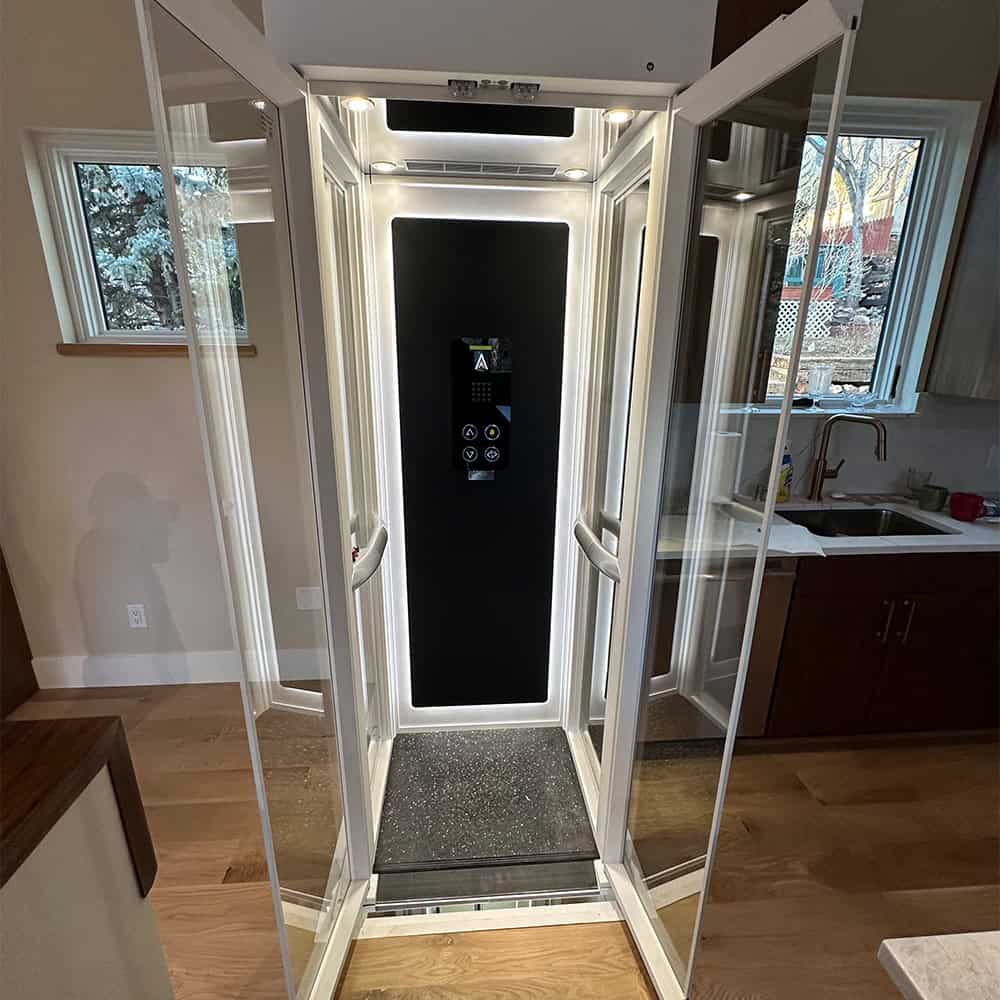
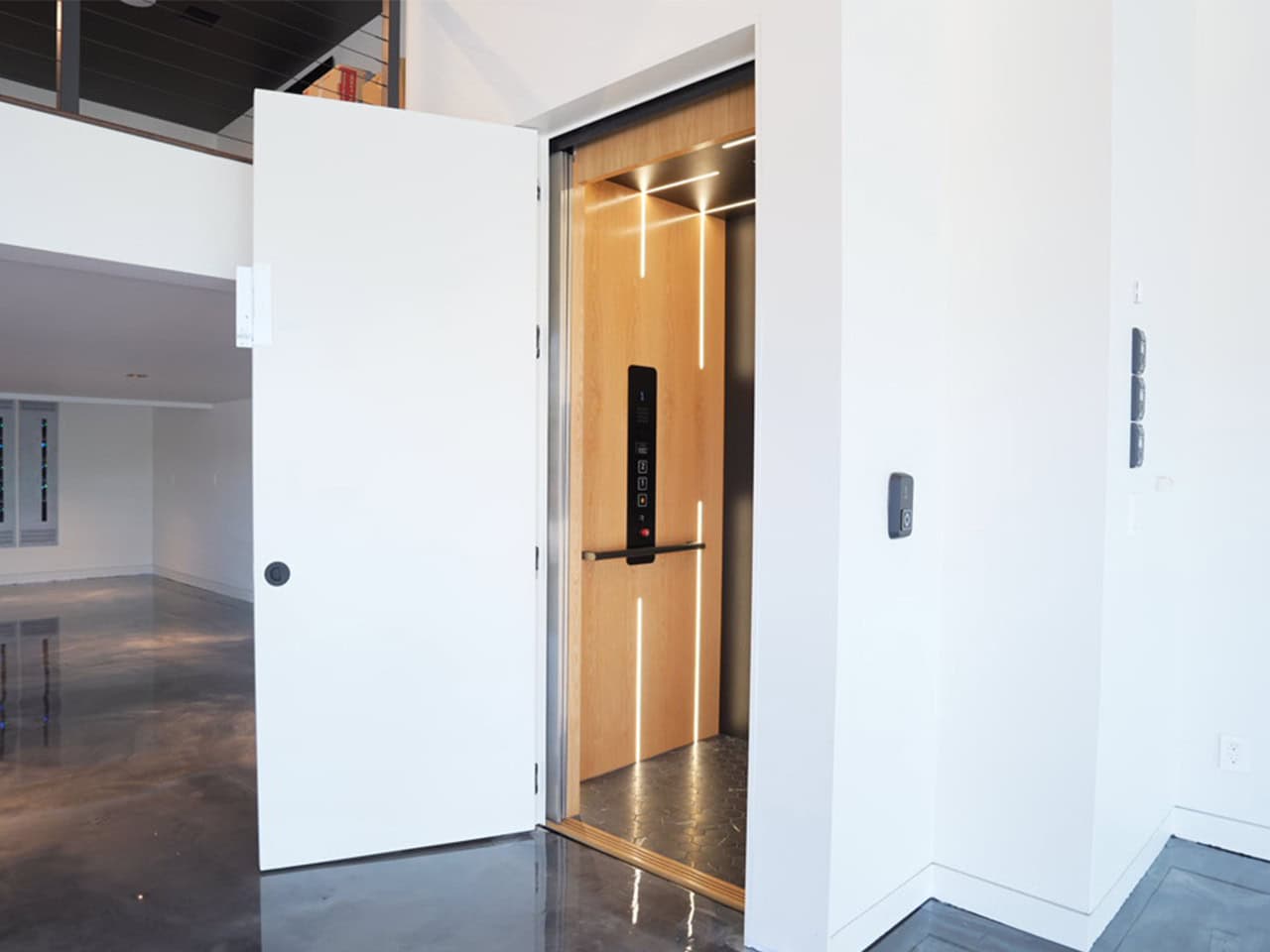
The answer depends on the type of elevator being installed. While some systems operate within a traditional hoistway, others are designed to function without a conventional shaft, making them a practical option for many existing homes.

At ESCO, we help homeowners throughout Connecticut, New York, Rhode Island, and Massachusetts evaluate both shafted and shaftless elevator solutions based on their home’s layout, accessibility goals, and available space.

What Is a Home Elevator Shaft?

A home elevator shaft, often called a hoistway, is the enclosed vertical space through which an elevator travels between floors.

Traditional residential elevators are installed within this structure, which is typically framed as part of the home’s construction or incorporated during a renovation project. The shaft houses the elevator cab and provides the space necessary for smooth travel between levels.

For many years, a hoistway was considered a requirement for virtually every residential elevator installation. Today, however, homeowners have additional options.

Do All Home Elevators Require a Shaft?

No.

While many conventional residential elevators operate within a hoistway, some modern systems are designed to travel between floors without requiring a traditional shaft.

These systems are commonly referred to as shaftless home elevators and are often selected for retrofit projects, compact layouts, and homes where a traditional elevator installation may not be practical.

The right solution depends on the home’s layout, available space, and the goals of the homeowner.

Comparison of a conventional home elevator and a shaftless home elevator

What Is the Difference Between Shafted and Shaftless Elevators?

Understanding the difference between these two approaches is one of the most important steps when planning a residential elevator project.

Shafted (Conventional) Home Elevators

Conventional residential elevators operate within a traditional hoistway and are often selected when homeowners want maximum design flexibility, larger cab sizes, and smooth automated operation.

These systems are commonly chosen for:

  • New construction projects
  • Major home renovations
  • Homes with available stacked closet space
  • Homeowners seeking fully enclosed elevator cabs

Because the elevator operates within a dedicated shaft, these systems can often be designed to blend seamlessly into the home. In some cases, landing doors can be finished to match surrounding trim and millwork, creating a discreet appearance throughout the home.

Shaftless Home Elevators

As the name suggests, shaftless home elevators do not require a traditional hoistway.

These self-contained systems house the drive components, structure, and safety features within the elevator itself. Many shaftless models also eliminate the need for a machine room or pit, reducing construction requirements significantly.

Shaftless systems are often selected for:

  • Existing homes
  • Older homes
  • Tight footprints
  • Accessibility upgrades
  • Projects where minimal construction is preferred

For many homeowners, a shaftless system can make an elevator possible in spaces where a conventional installation would be difficult to accommodate.

What Type of Home Elevator Is Right for Your Home?

Every home is different.

Factors such as ceiling height, floor structure, available space, and future accessibility goals all influence which solution may be the best fit.

Some homeowners prioritize larger cab sizes and extensive customization. Others are focused on reducing construction requirements while improving mobility between floors.

The most effective way to determine what will work is through a professional evaluation of the home’s layout and project goals.

Planning a residential elevator installation in an existing home

Explore Home Elevator Options

Choosing between a shafted and shaftless elevator is often the first step in planning a residential elevator project.

ESCO offers a variety of home elevator installation solutions designed for both new construction and existing homes. Whether you’re exploring a traditional hoistway elevator or a compact shaftless system, our team can help identify the option that best fits your space.

View Home Elevator Options

Can a Shaftless Elevator Work in an Existing Home?

In many cases, yes.

Many homeowners assume their home cannot accommodate an elevator due to limited space, an older layout, or the absence of stacked closets. However, shaftless systems are specifically designed for situations where traditional planning may not be practical.

Because these elevators require only a modest floor opening and a compact footprint, they can often be installed in homes where other solutions may not be feasible.

In fact, many shaftless projects begin after homeowners have been told an elevator isn’t possible. With the right product and proper planning, there are often more options available than people expect.

Planning for Long-Term Accessibility

Whether you’re responding to a current mobility challenge or planning ahead, a home elevator can support long-term accessibility and convenience.

Some homeowners begin researching elevators because navigating stairs has become more difficult. Others are preparing their homes for future needs and want to remain comfortable in the home they love for years to come.

Understanding your future accessibility needs can help determine which elevator solution is the right fit today.

Find the Right Home Elevator Solution

The question isn’t simply whether a home elevator needs a shaft. The real question is which type of elevator makes the most sense for your home.

For more than 75 years, ESCO has helped homeowners throughout Connecticut, New York, Rhode Island, and Massachusetts evaluate elevator options for both new construction and retrofit projects. Our team can assess your space, explain your options, and help identify the solution that best fits your home and lifestyle.

Share This Post

  • Share on Facebook
  • Share on X
  • Share on LinkedIn
  • Share on Reddit
  • Share by Mail

Related Postings

Categories

  • Residential

Location

Address
47 Water St.
Torrington, CT 06790

Get In Touch

Phone
203-757-5000

Email
[email protected]

Solutions

Residential Elevator Installation

Commercial Elevator Installation

LULAs

Vertical Lift Systems

Elevator & Lift Services

About Us

Connecticut’s largest independent elevator contractor, also serving New York, Rhode Island, and Massachusetts.

Website by Abstrakt Marketing Group ©
  • Sitemap
  • Privacy Policy
Link to: Where Can a Home Elevator Be Installed? A Placement Guide for Homeowners Link to: Where Can a Home Elevator Be Installed? A Placement Guide for Homeowners Where Can a Home Elevator Be Installed? A Placement Guide for HomeownersResidential elevator installed in a multi-story home
Scroll to top Scroll to top Scroll to top

This site uses cookies. By continuing to browse the site, you are agreeing to our use of cookies.

AcceptLearn more

Cookie and Privacy Settings


How we use cookies

We may request cookies to be set on your device. We use cookies to let us know when you visit our websites, how you interact with us, to enrich your user experience, and to customize your relationship with our website.

Click on the different category headings to find out more. You can also change some of your preferences. Note that blocking some types of cookies may impact your experience on our websites and the services we are able to offer.

Essential Website Cookies

These cookies are strictly necessary to provide you with services available through our website and to use some of its features.

Because these cookies are strictly necessary to deliver the website, refusing them will have impact how our site functions. You always can block or delete cookies by changing your browser settings and force blocking all cookies on this website. But this will always prompt you to accept/refuse cookies when revisiting our site.

We fully respect if you want to refuse cookies but to avoid asking you again and again kindly allow us to store a cookie for that. You are free to opt out any time or opt in for other cookies to get a better experience. If you refuse cookies we will remove all set cookies in our domain.

We provide you with a list of stored cookies on your computer in our domain so you can check what we stored. Due to security reasons we are not able to show or modify cookies from other domains. You can check these in your browser security settings.

Other external services

We also use different external services like Google Webfonts, Google Maps, and external Video providers. Since these providers may collect personal data like your IP address we allow you to block them here. Please be aware that this might heavily reduce the functionality and appearance of our site. Changes will take effect once you reload the page.

Google Webfont Settings:

Google Map Settings:

Google reCaptcha Settings:

Vimeo and Youtube video embeds:

Accept settingsHide notification only